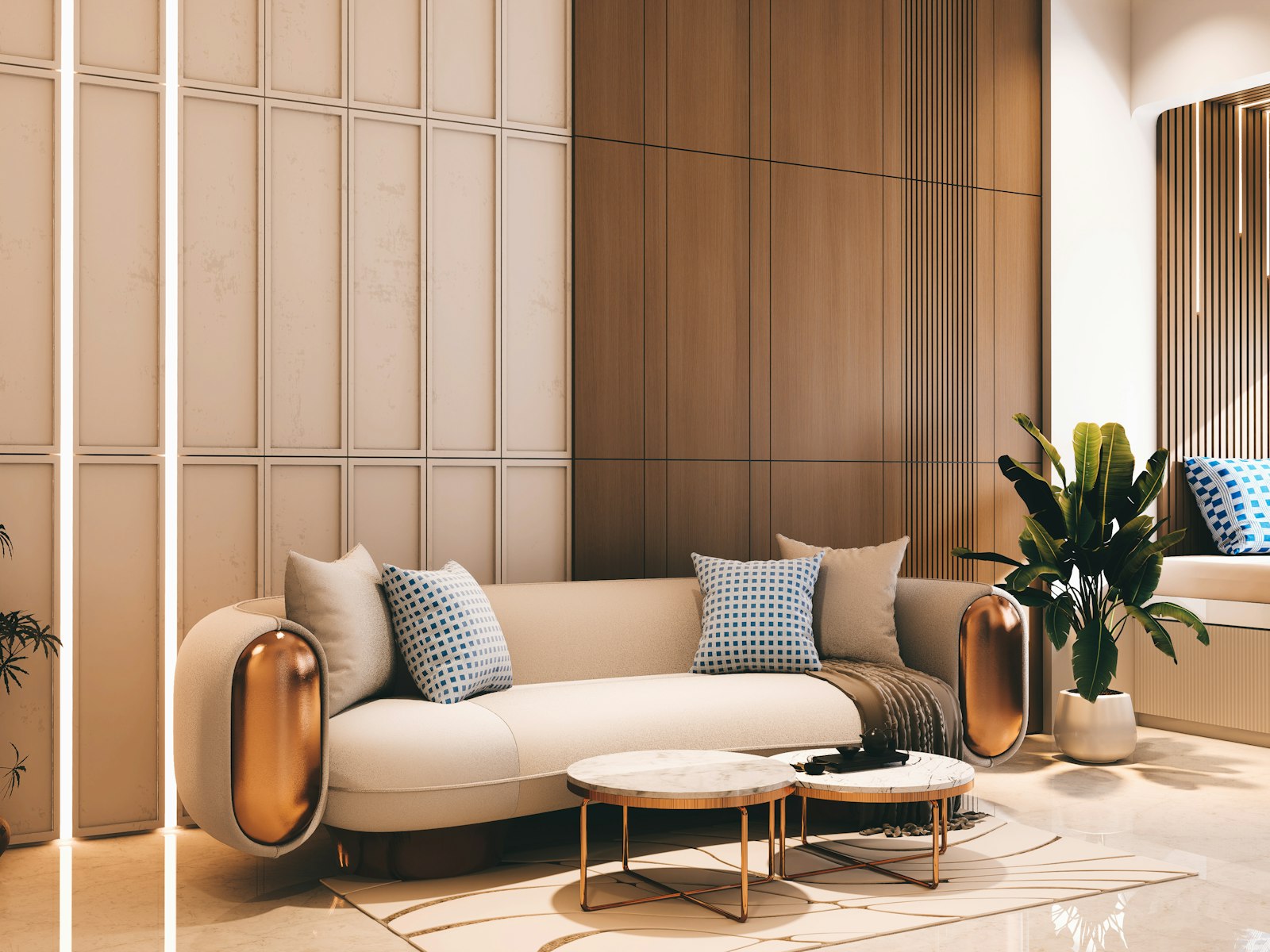
A scent added to a space that fights it will lose. This is the part suppliers rarely mention, because it complicates the sale. Fragrance is not a layer you apply on top of a finished environment. It’s one instrument in an arrangement, and an instrument playing out of tune with the rest is worse than silence.
Bethan Alexander’s work on multisensory fashion retail, in the Handbook of Research on Global Fashion Management, makes the case plainly. Her research found that sensory stimuli together shape how shoppers feel about a store, and that the physical shop has shifted from a point of sale to a point of experience. The value isn’t in any single sense performing. It’s in the senses agreeing. Sight, sound, scent and texture, arranged so they say the same thing.
The most detailed picture of how that agreement forms comes from Annamma Joy and colleagues, in a three-year study published in the Journal of Retailing. They spent that time observing winery tours, watching how an atmosphere actually gets built moment to moment. What they found is that affective atmosphere isn’t installed. It’s co-created, out of three things working at once: the material features of the place, the sensory modalities including scent, and the social interactions happening inside it. Change one and the whole feeling shifts.
That word, co-created, is worth sitting with. It means the visitor is not a passive nose to be triggered. They arrive with expectations, they interact with staff and space, and the atmosphere emerges from all of it. Scent enters that mix as a participant, not a controller.
What this changes about the brief
You can’t specify scent in isolation and hope the rest of the building cooperates. The fragrance has to be designed knowing the lighting, the acoustics, the materials underfoot, and, crucially, the kind of human exchange the space is built for. A quiet, contemplative gallery and a high-energy flagship might both be beautifully scented and beautifully lit, but the scent that serves one would sabotage the other, because the social tempo is different.
This is also why the same fragrance behaves differently in two spaces that look alike on paper. Joy’s research shows atmosphere bending around who’s present and what they’re doing. A hotel lobby at check-in and the same lobby at midnight are not the same environment, even though nothing physical has moved. A scent system that ignores that is calibrated for an average moment that never actually occurs.
For anyone commissioning this work, the practical consequence is about sequence. Scent should not be the last decision, chosen once the space is otherwise finished and there’s a gap that could use a smell. It belongs in the room while the material and sensory choices are still live, because it’s part of the same composition and it will be judged as part of the same whole.
The programmes that disappoint are almost always the ones where fragrance was bolted on. Someone loved a scent, installed it into a finished space, and couldn’t understand why it felt like an intrusion. It felt like an intrusion because it was one. Nothing else in the room had been asked to agree with it.
There’s a cost angle to this that rarely makes the business case. Retrofitting scent into a completed space almost always costs more and delivers less than designing it in from the start. The diffusion has to be worked around finished architecture and services rather than integrated with them, and the fragrance gets chosen to survive a room it had no say in. Bringing scent into the conversation early isn’t an indulgence. It’s usually the cheaper route to the better result.
Treat scent as a soloist and you’ll get a soloist competing with the band. Treat it as part of the arrangement and you get what people actually remember: a place that felt whole, without their ever being able to say which sense did it.